
Silence from prospects is feedback. Fix your follow-up process to get responses.
Salespeople know the feeling: the hopeful prospect goes silent, messages vanish into the void, calls aren’t returned, and you’re stuck wondering what you did wrong or why they disappeared. Ghosting is everywhere in sales today, but it isn’t a mystery. It’s feedback.
Here are 8 tips for how you turn silence into progress and stop wasting time chasing shadows.
1. Ghosting is a Lack of Perceived Value.
When a prospect goes dark, it’s not about luck, it’s about value. If they’re not getting back to you, they don’t see enough value in continuing the conversation. That’s on you, not them.
Too many sales teams shrug it off or blame “busy buyers.” Face the fact: ghosting means your message didn’t match their perceived outcome or need. You haven’t demonstrated enough value to earn their attention for the next step.
2. If They Disappear, You Didn’t Earn the Next Step.
Silence is the customer’s way of telling you that you haven’t earned the right to move forward. You might think you’ve laid out the facts, but if they vanish, you missed the mark.
B2B sales is a sequence. Each step in the process has to be earned. You don’t get a free pass just because you made contact or held a first meeting. If the conversation stops, ask yourself: what did I do to truly earn the next engagement?
3. Every Meeting Should End With a Clear Reason to Continue
Vague or open-ended conversations breed ghosting. Every touchpoint (emails or phone calls!) should have a specific purpose and end with a clear call to action.
Don’t just hope they’ll circle back. Always establish what comes next. Set a date, request feedback, ask them to review something specific. If there’s no clear reason for them to reply or meet again, don’t be surprised when they never do.
4. “I’ll Follow Up” Is Not a Next Step
Too many pipelines are clogged with prospects who are “on follow-up.” That’s not a commitment. “I’ll follow up” is not a next step. It’s a polite way to avoid confrontation or decision.
Be definitive. Nail down an exact time for the next call, a deliverable to review, or a specific topic to discuss. If you’re not clear on what happens next, neither are they.
5. Give Them Something to Think About After the Call
Engagement doesn’t end when the meeting ends. Give the prospect something of value to consider between conversations. It might be a resource, a case study, or a relevant insight, just make it something that sticks in their mind.
This keeps the relationship alive and gives them a reason to come back to you. Every interaction should add value, not just fill time.
6. No Urgency = No Response
If there’s no urgency, there’s no reason for the customer to respond. You can’t create urgency by sheer volume or pushiness. You create it by linking your solution to a real need.
Without urgency, you’re just another voice in their inbox. Make the next step matter to them, not just to you.
7. Weak Qualification Leads to Silent Pipelines
If your pipeline is full of names that rarely reply, your qualification is broken. Who you chase matters as much as how you chase them.
Stop stuffing the funnel with anyone willing to talk. Focus on prospects who truly fit your ideal customer profile and whose needs align with what you offer. Fewer, higher-quality leads beat a bloated, silent pipeline any day.
Read: Identify Your Ideal Customer Profile with these 7 Questions.
8. The Deal Didn’t Stall. They Checked Out!
Pipelines get clogged because deals aren’t progressing, or is it something else? In reality, those deals are dead. The prospect checked out already.
If a buyer isn’t engaging within a reasonable time, move on. It’s better to clear old prospects and spend your energy on motivated buyers with real intent.
Great Selling Is About Earning Every Step
You don’t get to close the sale by accident. Every step forward is earned by delivering value, setting clear next steps, and focusing on buyers who are ready, willing, and able.
Ghosting is feedback. Use it to get better.
Sell with intention. Sell with integrity. That’s how you win.
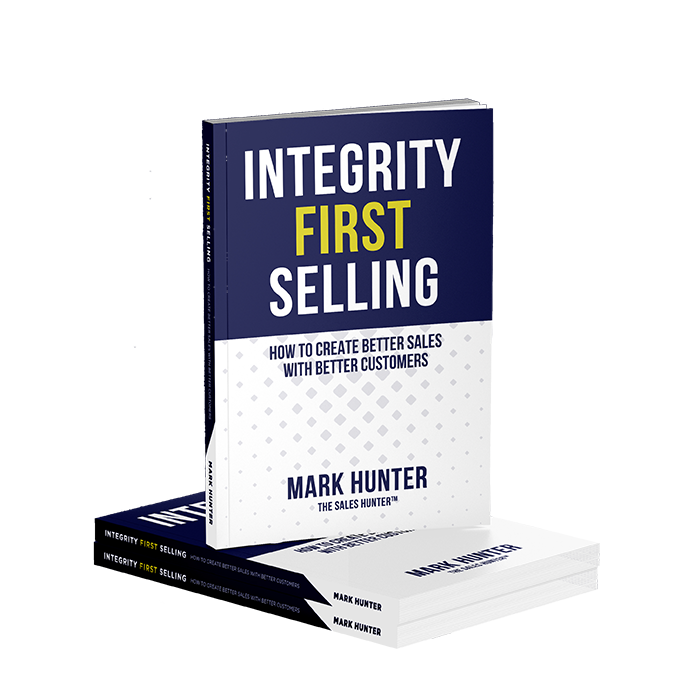
The most significant differentiator isn’t your product, price, or even your pitch—it’s your integrity.
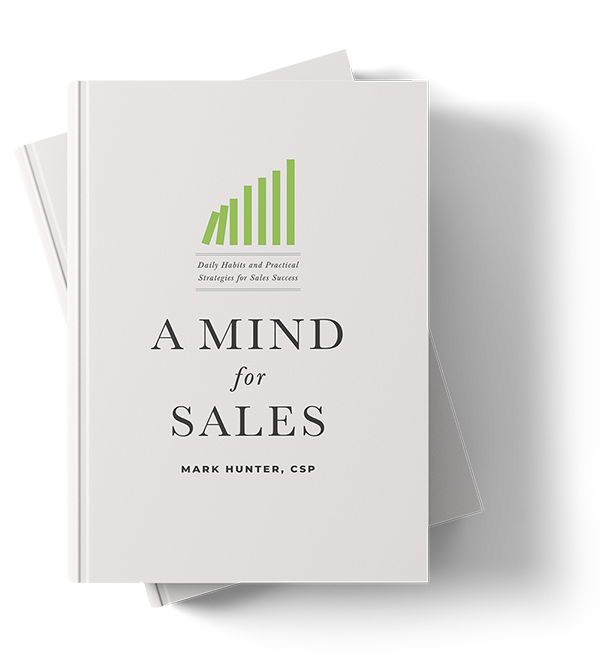
Copyright 2026, Mark Hunter “The Sales Hunter” Sales Motivation Blog. Mark Hunter is the author of A Mind for Sales and High-Profit Prospecting: Powerful Strategies to Find the Best Leads and Drive Breakthrough Sales Results.