
Most salespeople believe price is the #1 reason deals don’t close. I’m here to tell you that’s not true. The best closers see the real roadblocks. And more often than not, those roadblocks come down to how you frame the conversation around TCO (total cost of ownership) and TBO (total benefit of ownership).
Too many sellers skip this step. They chase cheaper, louder, flashier competitors and never get to the root of why deals actually happen.
Understanding TCO: More Than Just a Price Tag
You’ve probably heard of TCO—Total Cost of Ownership. Most buyers know the term, but few sellers know how to use it to their advantage.
TCO is about numbers, but not just list price. Your solution might cost more up front than the competitor, but what about service calls, downtime, and lost productivity? When you spell out the risks and costs hiding beneath the surface, you show buyers the real math.
You can’t do this if you don’t understand the customer’s challenges inside out. In discovery, dig deep on what they truly face. The better you grasp their world, the more powerful your TCO story becomes.
The Overlooked Secret: Total Benefit of Ownership (TBO)
Here’s a new acronym for your arsenal: TBO—Total Benefit of Ownership.
TBO steps outside the spreadsheet. It’s not just about saving dollars, it’s about what your customer really gains from owning your solution.
Picture this: your equipment reduces employee stress. Your design makes their brand stand out. Maybe your process is so smooth that it helps them recruit top talent. These are real benefits, and critical ones that rarely show up on an invoice.
Ask yourself: How does what I sell make their business better? How do their employees, shareholders, or customers win because of my solution? That’s your TBO.
Real-World Examples: Where TBO Tips the Scale
Let’s make it real. Consider a company selling box-making machines. The TCO is easy—the machine is reliable and cuts down on maintenance costs.
But the TBO? The boxes it produces look cleaner and sharper, and their customers notice. Suddenly, your client’s brand reputation grows. That’s a competitive edge no spreadsheet can capture.
Or take Yeti, the drinkware brand. Sure, their mugs are durable (TCO), but it’s the brand prestige that seals the deal. People want to be seen with Yeti. That feeling is TBO at work.
TBO: The Emotional Trigger in Competitive Sales
Here’s the truth: buyers make emotional decisions, even in B2B. Then they justify those decisions with numbers.
Too many salespeople get into a price war and only show the TCO. Meanwhile, the emotional benefits (the differentiators) get ignored. That’s why the buyer walks away.
Don’t forget the emotional payoff your customer is chasing. Many times, it’s the one thing that wins the deal. Spell out that TBO early and often.
How to Bring TCO and TBO Together
When you’re closing, be ready to present both. Lay out the numbers. Then show them the bigger win.
Don’t get caught selling on price alone. Price isn’t the finish line, but value is. Integrate TCO and TBO into every conversation. Show buyers exactly how owning your solution makes sense, and then show how it makes them feel smarter, safer, and more successful.
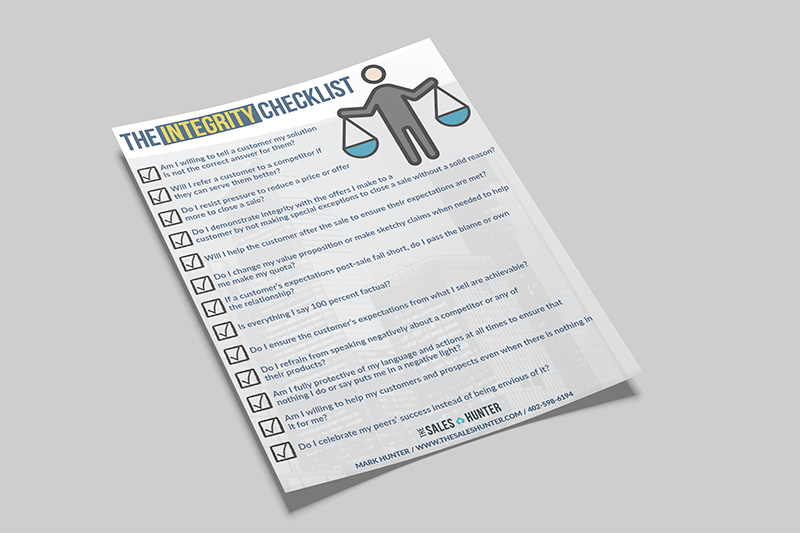
That’s how you close with integrity and that’s how deals get done.

The most significant differentiator isn’t your product, price, or even your pitch—it’s your integrity.
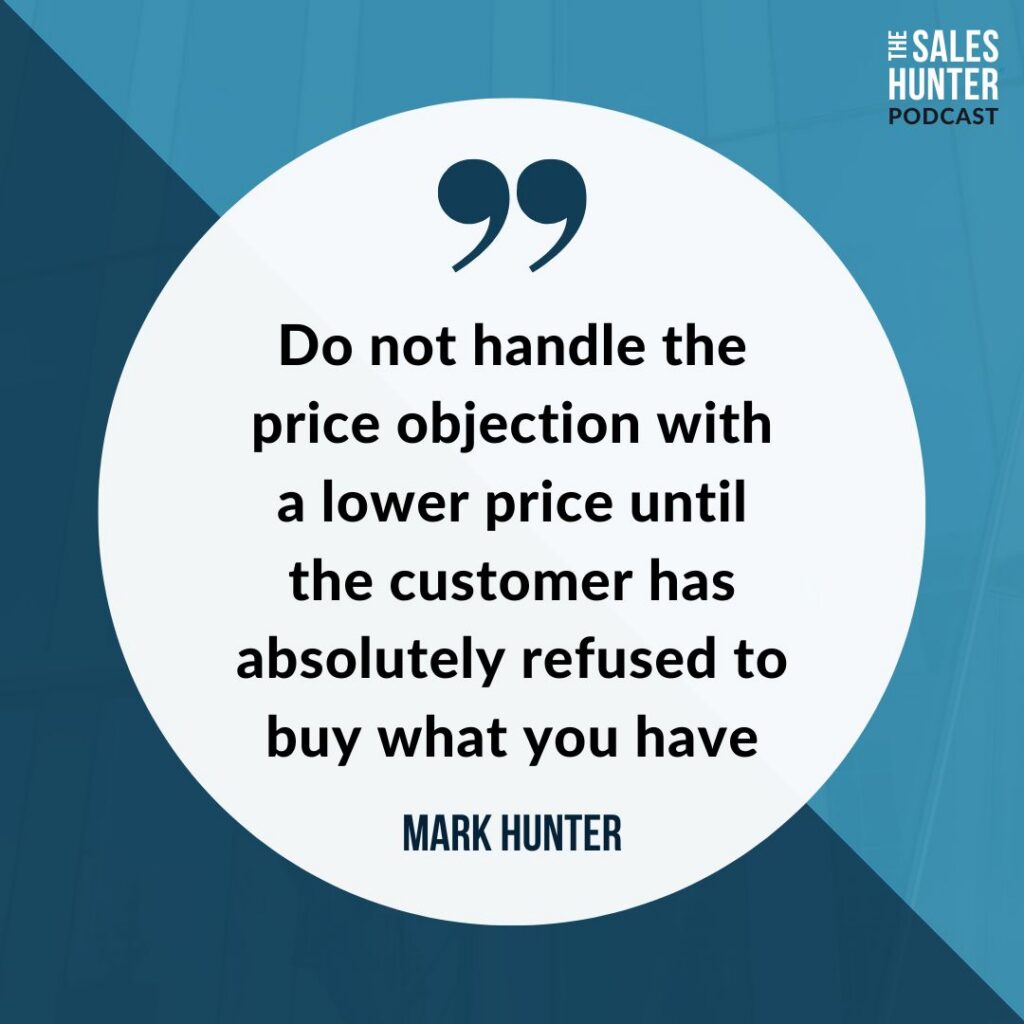
Proven Methods to Handle Objections
Don’t panic! That’s when you give the discount! Join Mark Hunter as he unpacks the art of handling price objections with confidence and integrity.
Find episode #435 wherever you download podcasts!
Why Coaching Is the Secret Ingredient to Sales Success
w/ Keith Rosen
Why most salespeople miss quota, and how great coaching can change that
Episode #436 is out THURSDAY!!
Copyright 2026, Mark Hunter “The Sales Hunter” Sales Motivation Blog. Mark Hunter is the author of A Mind for Sales and High-Profit Prospecting: Powerful Strategies to Find the Best Leads and Drive Breakthrough Sales Results.